About Me
Product manager building at the intersection of technical depth and business impact. Five years engineering complex systems in C# ASP.NET before recognizing that the hardest problems are not technical but about aligning teams, stakeholders, and strategy. Trained through BCG Digital Academy to translate between technical teams and business outcomes. Beyond work, I have pushed my limits by hiking to Everest Base Camp and completing endurance events such as Hyrox and marathons. These experiences have shaped my resilience and problem-solving skills in uncertain environments. I am committed to delivering solutions that generate real value, prioritizing impactful results over mere feature creation.
Certifications
- Oracle Cloud Infrastructure Certified AI Foundations Associate
- Certified Scrum Product Owner (CSPO)
- Certified Scrum Master (CSM)
My Work
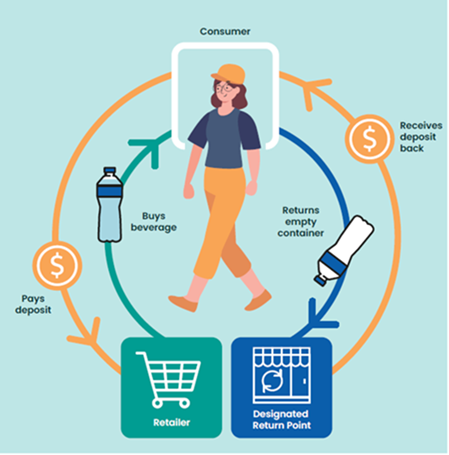
Beverage Container Return Scheme (BCRS) Digital Participation Strategy
Aligned with Singapore's Green Plan 2030, this initiative explores innovative digital strategies for the upcoming Beverage Container Return Scheme (BCRS) launching July 2026.
🎯 Project Overview
In alignment with Singapore's Green Plan 2030 and the national commitment to achieving net zero emissions as early as possible, the government is set to launch the Beverage Container Return Scheme (BCRS) on 1 July 2026. This scheme aims to close the waste loop by significantly increasing recycling rates of beverage containers.
Key Objectives:
- 🎓 Educate consumers about the BCRS scheme
- 🎁 Incentivize positive recycling actions
- 📊 Enable efficient tracking to enhance collection effectiveness
The beverage company's goal is to actively contribute to this effort by promoting consumer participation and optimizing recycling behaviours through innovative digital solutions.
❓ Problem Statement
How can a beverage company in Singapore leverage emerging technologies and digital platforms to effectively drive consumer engagement and maximize adoption of the Beverage Container Return Scheme (BCRS)?
Key Performance Indicators (KPIs)
| Metric | Target |
|---|---|
| 📢 Consumer Awareness | 50% within first 6 months post-launch |
| ♻️ Year 1 Return Rate | 60% beverage container returns |
| ♻️ Year 2 Return Rate | 70% beverage container returns |
| ♻️ Year 3 Return Rate | 80% beverage container returns |
🔍 Research and Insights
Market Research and Stakeholder Interviews
- 🏠 Recycling habits predominantly begin at home, making household engagement critical
- 📱 Social media is a primary channel to amplify recycling awareness and influence behaviour
- 🔄 Current recycling practices provide a foundation to build upon and improve
- 🤝 Existing initiatives like the EcoBuddy app, which connects community collectors, demonstrate potential for tech-enabled participation
Analysis of Existing Technologies and Engagement Channels
- ⚠️ Although blue recycling bins are available, up to 60% of the waste placed in them is contaminated and unsuitable for processing
- 📍 There is a notable shortage of accessible recycling bins in key areas, limiting convenient participation
Consumer Behaviour Trends Related to Sustainability and Technology Adoption
Top Beverage Consumption Locations:
- 🏠 56% at home
- 🎉 40% at social gatherings
- 💼 35% at work
Primary Sources for Learning About Recycling:
- 📱 84% social media
- 📰 40% local news
- 👥 40% friends and family
Current Recycling Behaviour:
- ♻️ 45% of surveyed participants currently bring empty bottles and cans home for recycling
- 📈 87% of users indicated they would be more motivated to recycle if more accessible recycling bins were provided
💡 Proposed Strategy and Solution
🏗️ Strengthen Collection Infrastructure
Enhance Reverse Vending Machines (RVMs) with real-time capacity tracking and introduce Community Collectors as additional collection points to improve accessibility and convenience.
🎮 Drive Consumer Engagement
Achieve 50% consumer awareness within the first six months through tiered incentives, digital rewards, and gamified recycling challenges that encourage participation.
🌱 Promote Long-Term Sustainability
Attain an 80% recycling rate by Year 3 by combining technology-driven tracking, continuous engagement, and behaviour design principles to foster lasting sustainable habits.
📋 Implementation Plan
| Phase | Feature | Description |
|---|---|---|
| 1 | EcoBuddy App Launch | Launch RVM capacity tracking, display collection point locations, and enable gamified rewards. |
| Publicity Campaign | Deploy traditional media, town center roadshows, and social media campaigns; facilitate achievement sharing online. | |
| 2 | Community Collector Program Start | Incentivize community members to become collection points, rewarding every 1 kg of cleaned recyclables collected. |
| Recycling Education Modules | Deliver practical recycling tips and best practices through app and digital platforms. | |
| 3 | Community Challenge Program | Implement group recycling challenges encouraging users to invite friends and collaborate for rewards. |
| 4 | Expanded Collector Incentives | Scale rewards milestone-based incentives (e.g., for 10 kg or more), adapting to participation trends. |
📊 Expected Impact and Metrics
Target Audience: 👥 Individuals aged 15 to 55 years
Awareness Goal: 📢 Achieve 50% consumer awareness of the BCRS within the first six months post-launch
Recycling Return Rate Targets
- ✅ 60% return rate by the end of Year 1
- ✅ 70% return rate by the end of Year 2
- ✅ 80% return rate by the end of Year 3
These metrics reflect a data-driven approach designed to foster long-term behavioural change and measurable sustainability outcomes.
🎨 Prototype
EcoBuddy App